Skip to content
PedalSpokeCove

Gear That Earns Its Place

Adult Helmets

The job: fit and retention, and knowing when it is spent

A helmet is the only thing on this site designed to be destroyed once. The foam protects by crushing, and once it has crushed it does not come back, which is why the replacement rule is about the event rather than about the appearance. Everything else about choosing one comes down to fit: a helmet that is not held in the right place on your head is not doing the job it was built for, regardless of what it cost.

Some links on this page go to Amazon. If you buy through one, this site earns a commission at no extra cost to you. It does not change what gets recommended, and nothing here is paid placement. Affiliate Disclosure.

How to choose one

Measure your head before you shop

Run a tape around your head about two finger widths above the eyebrows and note the number in centimeters. Most listings do not state a size range, which means fit is decided after it arrives. A listing that does state one is worth more than a listing full of features.

Retention system first, features second

The dial at the back and the strap junctions under the ears are what keep the helmet level and in place. A helmet with a good dial and adjustable strap splitters will fit a wider range of heads than one relying on pads alone, and pads compress over time while a dial does not.

Read certification off the helmet, not the listing

Bicycle helmets sold in the United States are required to meet the federal standard at 16 CFR Part 1203, and a compliant helmet carries a label inside saying so. A listing that says safety certified without naming a standard is making a claim, not a specification. Check the label when it arrives, and if there is no label, return it.

Plan for replacement from the start

This is a consumable. It is replaced after any impact even with no visible damage, and manufacturers publish a replacement interval for an undamaged helmet. A helmet you can afford to replace without hesitating is a safer helmet than an expensive one you talk yourself into keeping.

Compared

What the listings state

Adult Helmets — as stated in each listing
ProductFit and adjustmentWhat the listing states
Schwinn Thrasher Adult Helmet, 58-62 cmStates a head size58-62 cm, dial and strapsMicroshell, vented, visor
Retrospec Lennon Helmet with LED LightLight built inAdjustable dialIntegrated LED, removable visor
Findway Pro Adult HelmetCertification statedAdjustable dialCommuting and road
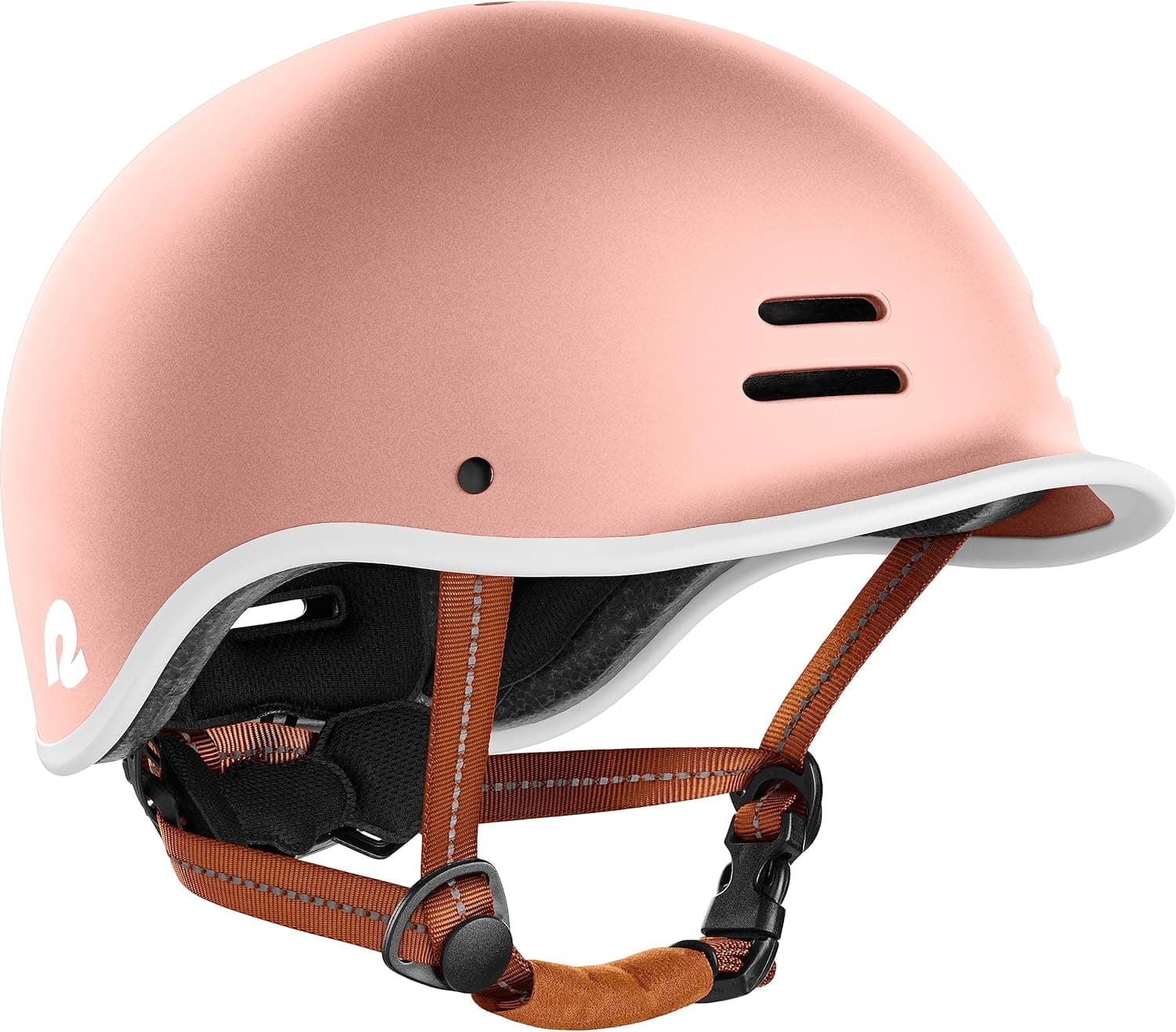
Retrospec Remi Adult HelmetAdjustable dialCommuting and road

States a head size

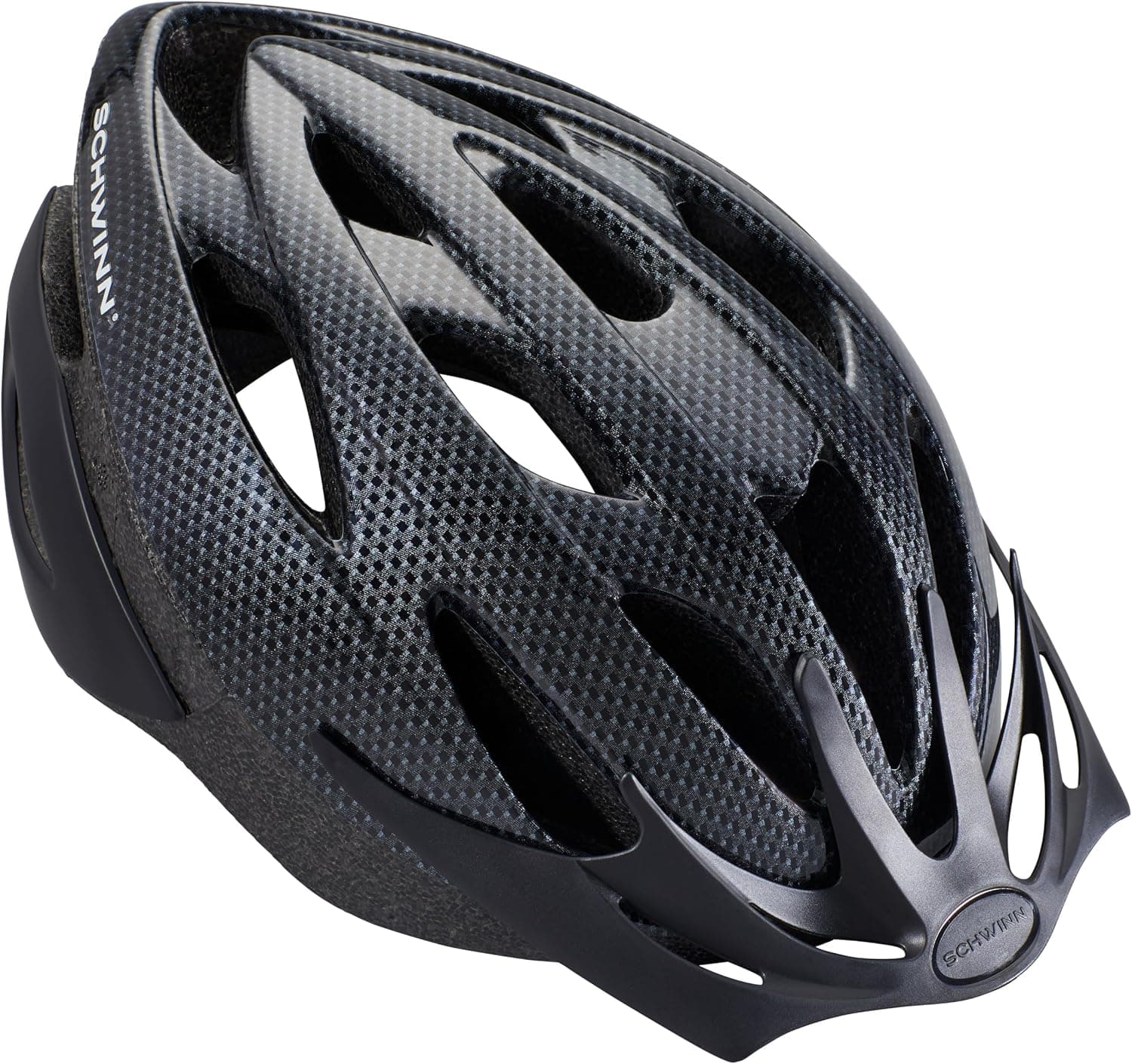
Schwinn Thrasher Adult Helmet, 58-62 cm

Schwinn Thrasher Adult Helmet, 58-62 cm

Key spec · 58-62 cm, dial and strap adjustment

The only helmet here whose listing gives an actual head circumference range, 58 to 62 cm, alongside an adjustable dial and adjustable straps. Fit is the whole job, and this is the only listing that lets you check it before it arrives.

A microshell helmet with a stated 58 to 62 cm size range, a retention dial, adjustable straps, padding and a visor. The size range is what sets it apart in this group: you can measure your head with a tape and know before ordering, rather than working it out from a returns policy.

Works in its favor

  • A stated head circumference range, which no other listing in this group gives
  • Both a retention dial and adjustable straps, so the fit can be set in two dimensions
  • Interior padding included, which is what takes up the last few millimeters of fit
  • A visor, useful against low sun and light rain on a commute

Worth knowing first

  • The 58 to 62 cm range will not suit smaller heads, and no other size is stated
  • The listing does not name a certification standard; read the label inside the helmet itself
  • A visor is a nuisance on a bike where you ride with your head low

Best for
A rider who has measured their head, lands inside 58 to 62 cm, and wants to know the fit before it ships.
Check it on Amazon

Light built in

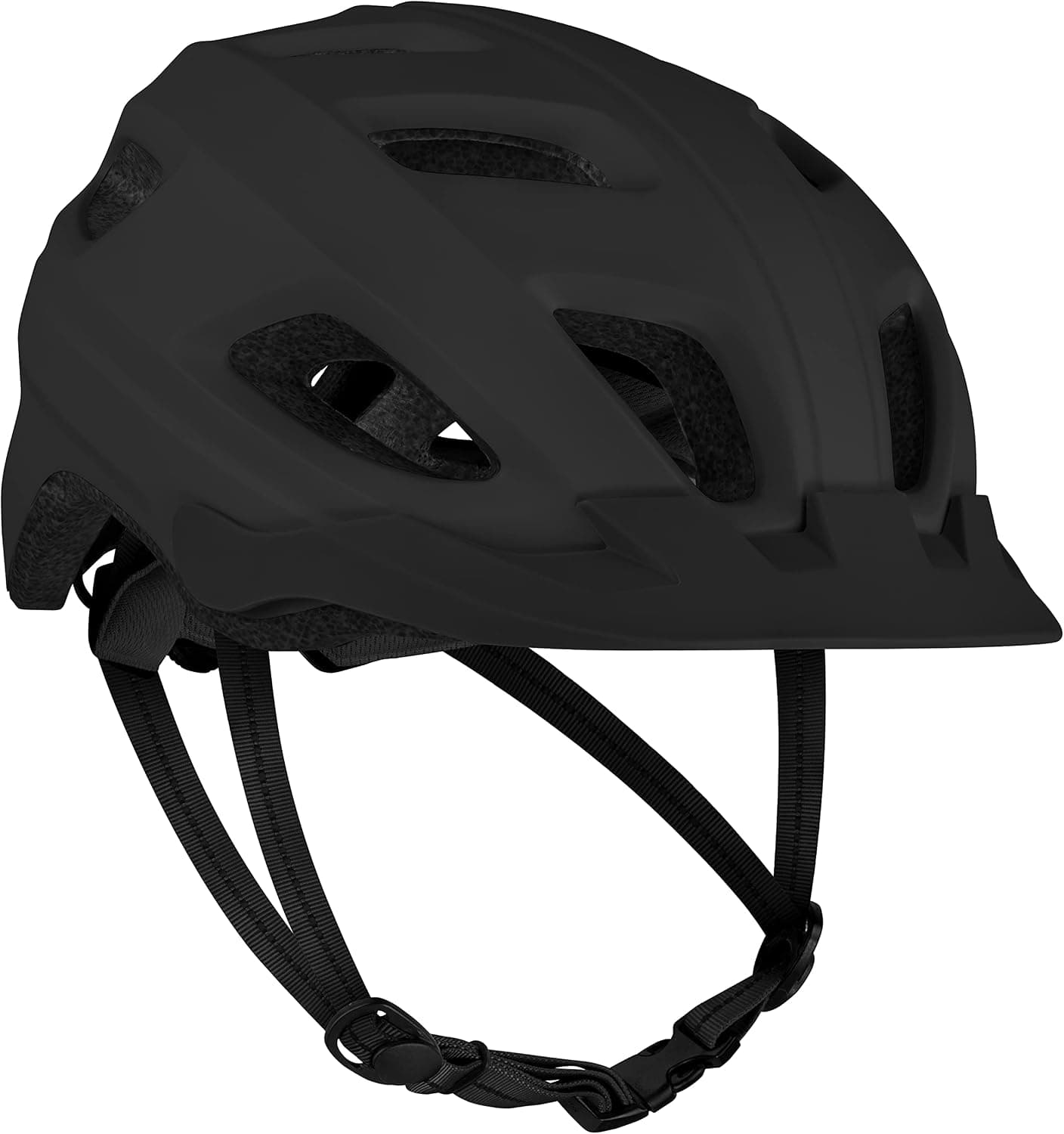
Retrospec Lennon Helmet with LED Light

Retrospec Lennon Helmet with LED Light

Key spec · Integrated LED, dial adjustment

The only helmet here with an integrated LED safety light, which puts a light at head height where drivers are already looking, in addition to whatever is on the bike.

A helmet with an LED safety light built into the shell and a retention dial for fit. A light mounted on your head sits higher than one on a seatpost and moves when you turn to look, which are both things a rear light on a bike cannot do. It is an addition to bike lights, not a replacement for them.

Works in its favor

  • An integrated light at head height, above most of the traffic around you
  • Retention dial for fine fit adjustment
  • Removable visor, so it works for riders who dislike one
  • One less bracket to break, since the light is part of the shell

Worth knowing first

  • The listing does not state a head size range, so fit has to be worked out on arrival
  • A built-in light cannot be replaced separately when its battery ages
  • The listing does not name a certification standard; read the label inside the helmet

Best for
Commuting in the dark, where being visible from more angles is worth more than saving grams.

Check it on Amazon

Certification stated

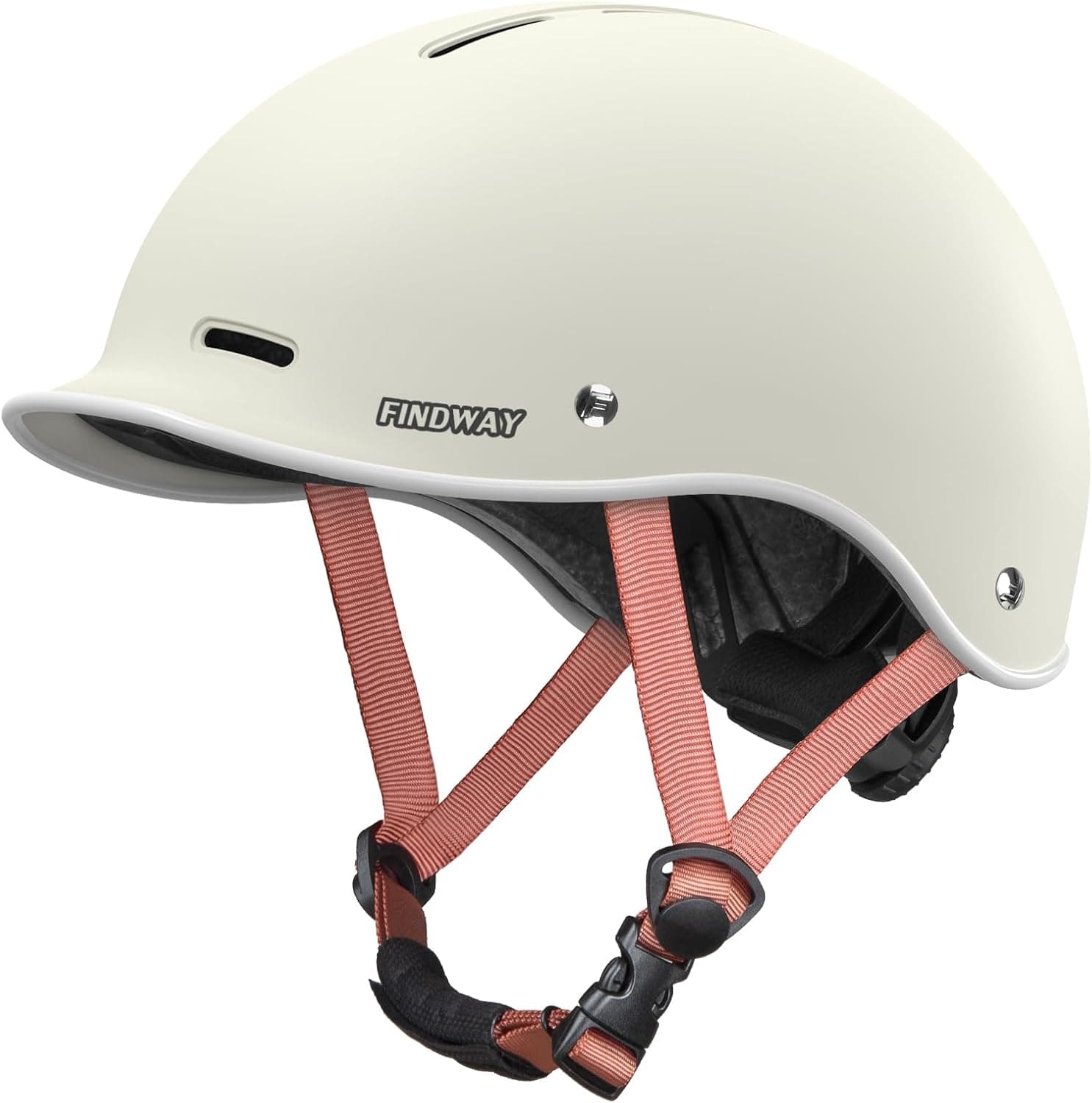
Findway Pro Adult Helmet

Findway Pro Adult Helmet

Key spec · Dial adjustment, commuting and road

The listing states that the helmet is safety certified. It does not name which standard, so treat that as the listing claim and confirm it against the label inside the helmet when it arrives.

A commuting and road helmet with a retention dial, described in the listing as safety certified. That phrase is worth taking at face value and no further: bicycle helmets sold in the United States are required to meet the federal standard, and the label inside the helmet is where that is actually recorded.

Works in its favor

  • A retention dial, which is what makes a helmet stay where you put it
  • Aimed at commuting and road riding rather than at a niche discipline
  • The listing addresses certification, which many in this group do not mention at all
  • A straightforward shape without features that get in the way on a commute

Worth knowing first

  • The listing does not name a standard, so the claim cannot be checked before it arrives
  • No stated head size range, so fit is unknown until you have it
  • No stated padding or visor details

Best for
A daily commuter replacing a helmet after an impact who wants a plain, adjustable shape.

Check it on Amazon
Retrospec Remi Adult Helmet

Retrospec Remi Adult Helmet

Key spec · Dial adjustment

A plain commuting helmet with a retention dial and not much else stated. There is a real argument for exactly this: the things that matter most in a helmet are that it fits, that it is worn, and that it gets replaced after an impact, and none of those are features on a listing.

Works in its favor

  • A retention dial, the one adjustment that makes the most difference to fit
  • Nothing on it to break, catch or rattle
  • Aimed squarely at commuting rather than at a specialty use
  • Simple enough that replacing it after an impact is not a painful decision

Worth knowing first

  • The listing states very little, so most details have to wait until it arrives
  • No stated head size range
  • The listing does not name a certification standard; read the label inside the helmet

Best for
A second helmet for a guest or a spare that lives with a commuter bike.

Check it on Amazon

Adult Helmets: questions worth asking

Yes. The foam protects by crushing, and crushed foam does not recover. The crush is frequently invisible from the outside, which is why the rule is about whether an impact happened rather than about what the helmet looks like afterward. That includes drops onto hard ground when it was not on your head.

That figure belongs to the manufacturer, and they publish it for their own helmets. Look for the manufacture date stamped or stickered inside the shell and compare it against their guidance. Heat, sunlight and sweat all age foam and webbing, so a helmet that lived in a hot car has had a harder life than its date suggests.

It records that the helmet was made to meet a published standard and was tested against it. In the United States, bicycle helmets are covered by 16 CFR Part 1203. The label inside the shell is the record, and it is worth reading rather than assuming.

It sits level, low on the forehead about two finger widths above the eyebrow, and does not tip back. The side straps make a V just under each ear. With the buckle done up you can fit about one finger between the strap and your chin. Open your mouth wide and the helmet should pull down on your head.

Not in a way you can read off a listing. Every helmet legally sold for cycling in the United States has to meet the same federal standard. What more money usually buys is ventilation, weight and comfort, all of which make a helmet more likely to be worn, which is its own kind of safety.

The jobs this gear belongs to

Links to Amazon on this page are affiliate links, which is how the site pays for itself. Prices and availability are not shown here because they change; check the listing. Affiliate Disclosure.